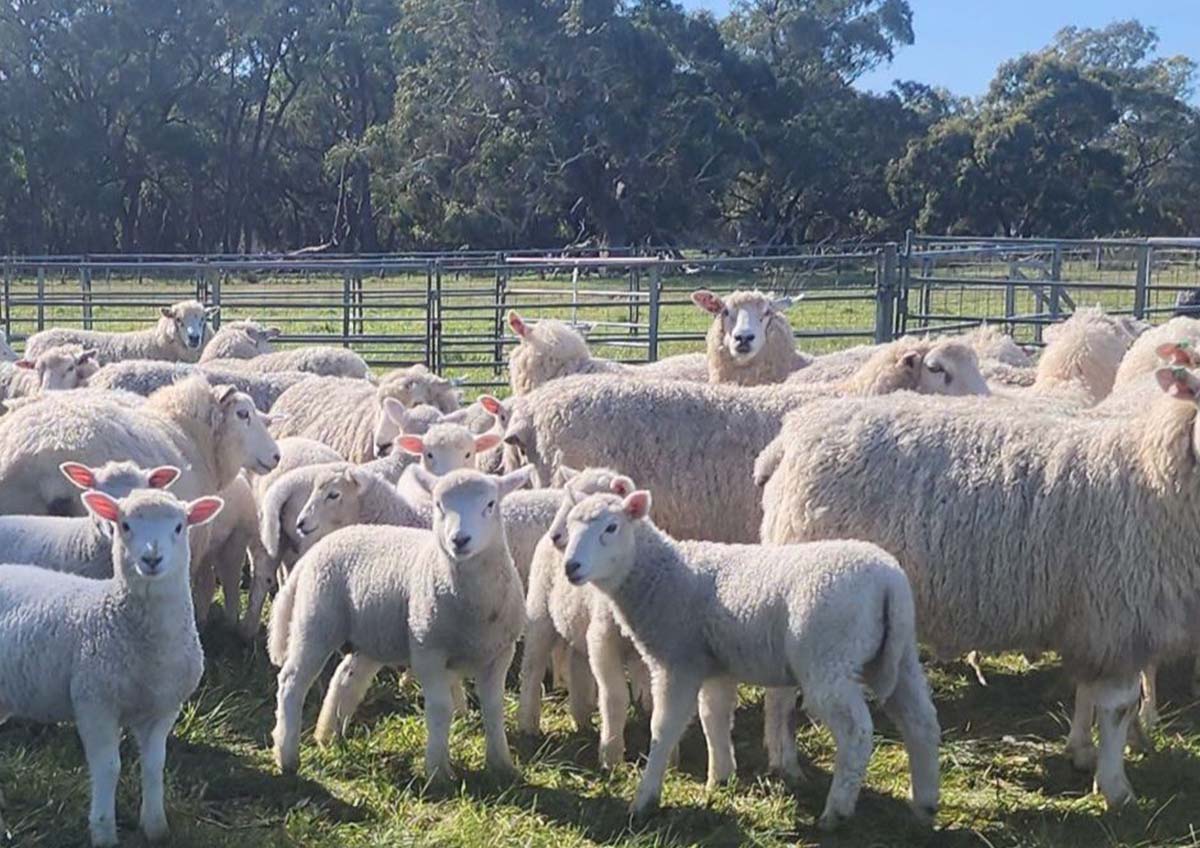
Depending on your goals, Kiranda has breeding options to boost your flocks, reproduction, growth or wool value.
PRIMERA BREED
History of the Kiranda Prime
The Primera Terminal Composite was created to complement the Highlander Maternal breed. The combined breeding objective was to maximise kgs of lamb weaned from the ewe flock and deliver additional growth, carcase yield and eating quality.
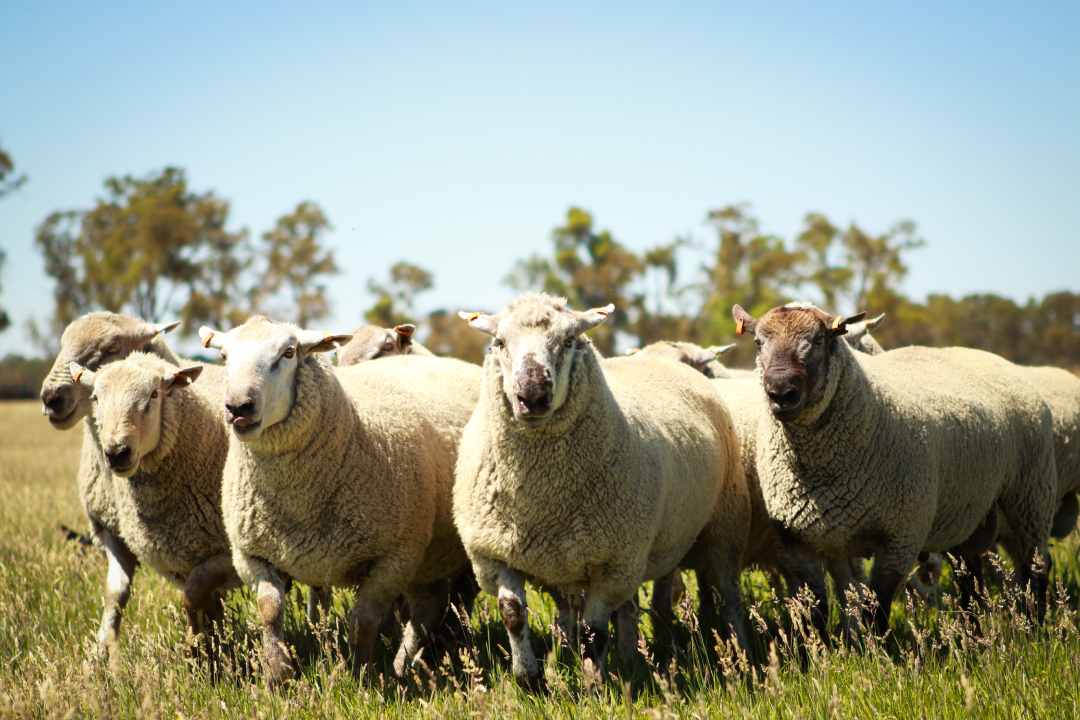
The Primera Terminal Composite was created to complement the Highlander Maternal breed.
The combined breeding objective was to maximise kgs of lamb weaned from the ewe flock and deliver additional growth, carcase yield and eating quality. No common breeds were used in the Highlander and Primera breeding programs to maintain 100% hybrid vigour in the cross.
The breeding program was set up to represent the best terminal meat genetics available in Australia and New Zealand from all mainstream breeds.
The Primera was created by Rissington Breedline at the Beamish, Awapai property in Hawkes Bay New Zealand, starting in 2000.
Since then the Primera meat breed had more investment during its development, around eating quality, than any breed worldwide.
It was later incorporated into the Focus Prime breed.
Creating the Primera
In 2000 semen and rams were purchased from top meat breeds, based on proven genetic merit, sourced from Australia and New Zealand.
Poll Dorset and White Suffolk semen was sourced from Australia. Black Suffolk, Poll Dorset, Dorset Down, Lamb Supreme, South Suffolk and Hampshire breeds were introduced from NZ breeders.
These rams/semen were mated to the Absolom families Poll Dorset x Black Suffolk ram breeding flock now residing at the Beamish Awapai property in Hawkes Bay.
Fresh embryos were flushed from these ewes and implanted into recipient ewes. Around 1,500 ram lambs born from this embryo multiplication and along with ewe lambs assigned parentage by DNA.
They were the start of the Primera Terminal Composite breed, a blend of the British meat breeds that excel in eating quality, good fat cover and finishing ability.
Proving and improving the Primera
With such a diverse range of sires used, next came the job of selecting the best performers and then improving the breed. Under the direction of, Sheep Geneticist, Aimee Charteris.
The 1,500 ram lambs were weighed at birth, with any sires throwing extra large lambs with difficult births, not selected for further evaluation.
The ram lambs weaning and post weaning weight information was evaluated to rank the rams based on growth.
Along with carcase scanning data for eye muscle and fat the top 140 rams (top 10%) were selected, representing the best performing sire lines.
These rams were blanket mated to 3,000 commercial ewes, with their progeny tested to identify the sires that produced the best lambs in terms of growth, retail meat yield and eating quality. (see below)
The highest ranking 30 rams (top 2%) were then selected as next years sires alongside semen from leading industry sires.
Using this system over the next 12 years ensured rapid , terminal meat production focused, genetic gain.
In later years genotyping gradually replaced the expensive progeny testing system.
Picking the right team
- Large scale (plenty to select from)
- Diversity (many unrelated breeds adds hybrid vigour)
- Selection criteria (indexes to increase on farm survival and meat production)
- Accurate recording (progeny test, genotyping) pick the right team
- Compare to industry (annually select top outside sires)
We at Kiranda will continue to develop our breeds based on the expert advise of those that created our breeds.

Kiranda ram sale November 2023
This newsletter includes our ram order form and information about our upcoming ram sale.

Using Kiranda rams and ewe lifts profit margins
Improving profit margins by raising prime lamb yields, that is, kilograms per hectare of meat and wool, is achievable using Kiranda Maternal and Composite system