

Improving profit margins by raising prime lamb yields, that is, kilograms per hectare of meat and wool, is achievable, using Kiranda composite rams and ewes in your system, according to Damien Croser.
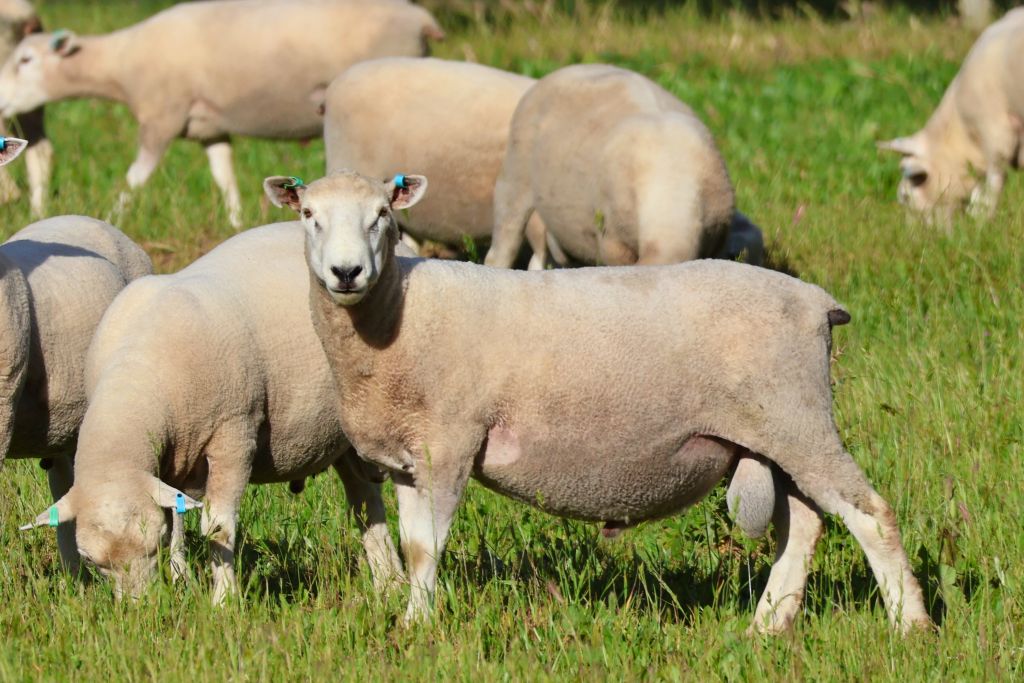
Mr Croser is the owner at Kiranda Maternal and Composite and works with New Zealand-based Bayden Wilson to help sheep farmers in Australia adapt their pasture and animal welfare management systems to make the most of their own investment in the breed.
It was a light bulb moment for Mr Croser at a Best Bred, Best Fed Lamb workshop when he learned about sheep genetics with a focus on fertility and carcase.
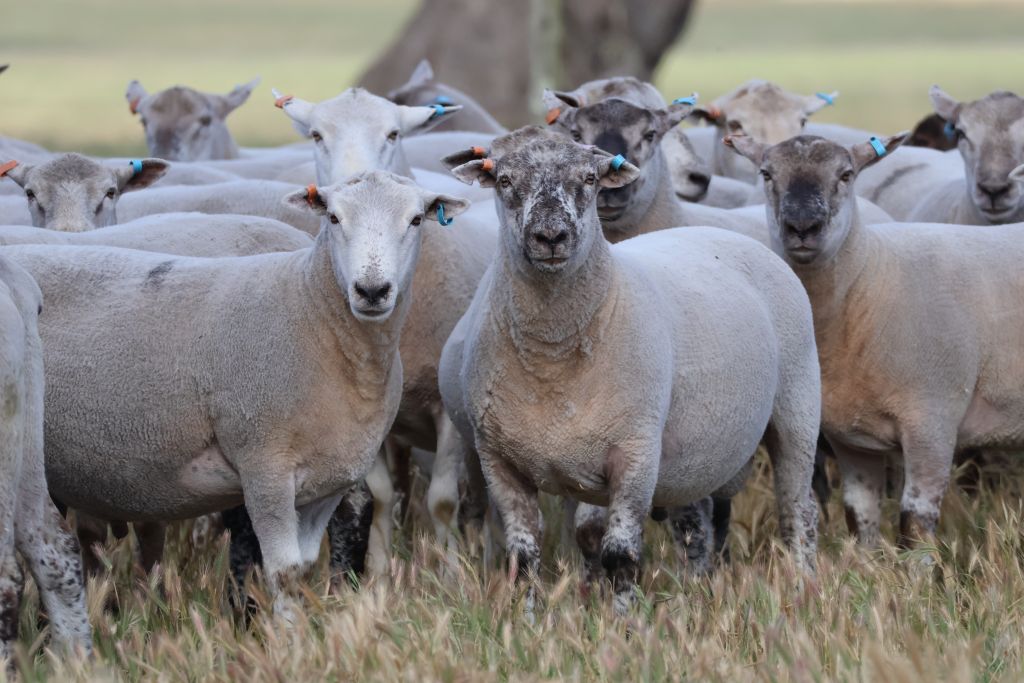
He had already been joining composite sheep, but was dissatisfied with the margins using traditional breeds. He had also trialed sheep with the Booroola gene, but was looking for a more reliable type with a focus on producing twins.
So, he looked over the fence at NZ, liked what he saw, and invested in the Kiranda composite terminal and maternal phenotypes, to bring those genetics to Australia. Since 2000, NZ farmers have collated large quantities of data from using Kiranda genetics and analysed that for proven cost of production efficiencies, faster growth rates, and the improvements to animal welfare and lamb survival rates. They have also been collecting data using DNA and later genotyping to accurately assign parentage among large flocks.
This has enabled NZ and now Australian farmers to accurately identify the best mating outcomes between flocks of ewes and mobs of rams.
“I was blown away by the genetics for growth and fertility,” Mr Croser said. “We weren’t able to import live sheep into South Australia, so we brought in embryos. That’s given us the opportunity to sell superior genetic rams throughout Australia.
“We focus on enabling sheep producers to breed ewes for their flock, and Bayden [Wilson] helps people set up their system on farm, so they can quickly start making money.”
Mr Wilson meets people on their farms and analyses their environment and management systems, identifying the changes they need to make to improve the breeding and grazing potential of their flocks to increase lamb output.
“He complements their existing genetics with ours,” Mr Croser said.
“Mating the Kiranda ram to three-year-old ewes will help sheep farmers to rapidly build their new composite flock.
“The maiden ewe lambs are able to quickly grow to joining weight, to mate to terminal sires. As ewe lambs, they’ll pregnancy scan at 130 per cent, and at 180pc for their second lambing. After that, they’ll usually scan 200pc for life, as a moderate 68 kilogram ewe.”

The combination of a higher fertility ewe and higher stocking rate, achieved by lower maintenance feed requirement, can lift the number of lambs weaned by as much as 35pc.
“The biggest thing I have learned about ewe efficiency from NZ sheep farmers, was to use a purpose-built maternal breed and cross it with a purpose-built terminal ram of different genetics to maximise hybrid vigour and accelerated growth rates,” Mr Croser said.
Mating to the natural seasonal conditions will also help lift fertility and growth rates, complementing the genetic gains.
“Sometimes that means managing pastures better by reducing paddock size. That improves soil sustainability, environment and animal welfare – these are the same methods that are working in NZ,” Mr Croser said.
“The Kiranda Composite and Maternal genetics create good mothering in the ewes. They are protective of their lambs and keep them alive. They produce high quality milk and at 100 days the lambs are at good slaughter-trade weights at the time of weaning.”
The main joining period for mature ewes is ideally February to April, followed by young ewes, to optimise ovulation and hybrid vigour. Gestation is seven to 10 days shorter than the average ewe.
“The cost of production and price received is pretty hard to change, but farmers can change their yield as kilograms/hectare of meat produced,” Mr Croser said.
“Genetics are the cheapest profit driver. So, investing in genetics to grow a self-replacing flock means more profit to the sheep farmer. This is true for the emerging and the established farmer. These sheep have been designed to be low input, high output.
“Bayden offers the knowledge to clients to develop best practice in the fundamentals on their farm.”
As a premium breed, the Kiranda Fine has been bred to produce ewes with the same maternal results – scanning at 180pc – and fleeces of 19.7 to 26 micron, weighing four kilograms.
“We continue to select the Kiranda Prime as our terminal ram, to complement our maternal breeds, delivering high lambing survival rates and fast growth, to finish to retail specifications,” Mr Croser said.
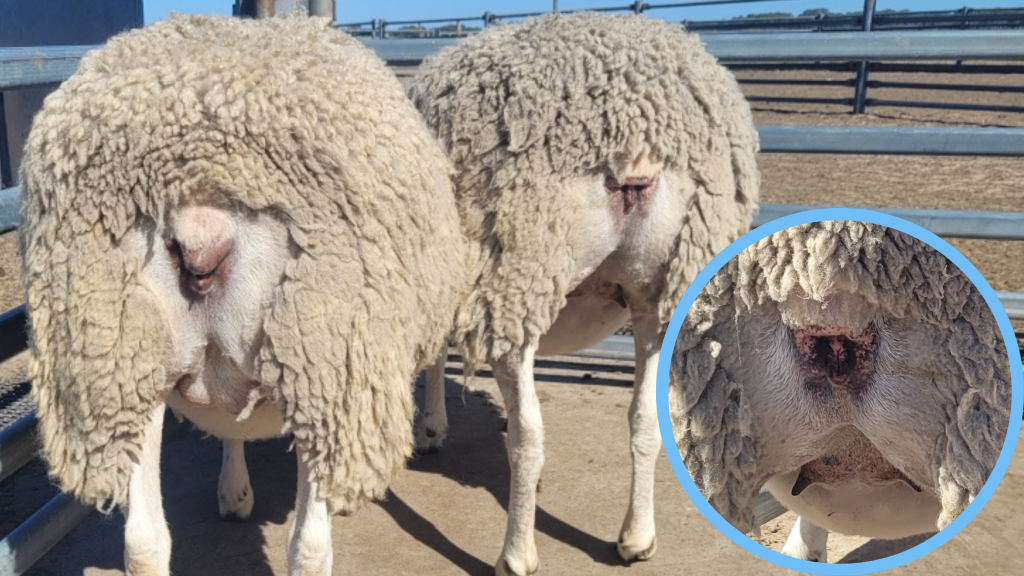
With a continued focus on animal welfare and industry drivers, Mr Croser has also been increasing the number of rams that will throw to a bare breech maternal line.
Visit Kiranda’s website to learn more: www.kiranda.com.au
Rams are currently for sale via selection by appointment.
Contact: Damien Croser
Phone: 0428 846 300
Email: Kiranda@bigpond.com

This story first appeared in Australian Sheep Breeders’ Compendium. By Jeanette Severs
View Original Article: https://www.farmonline.com.au/story/7822098/kiranda-raises-prime-lamb-yields/
Information Updated by Kiranda;
December, 2024.